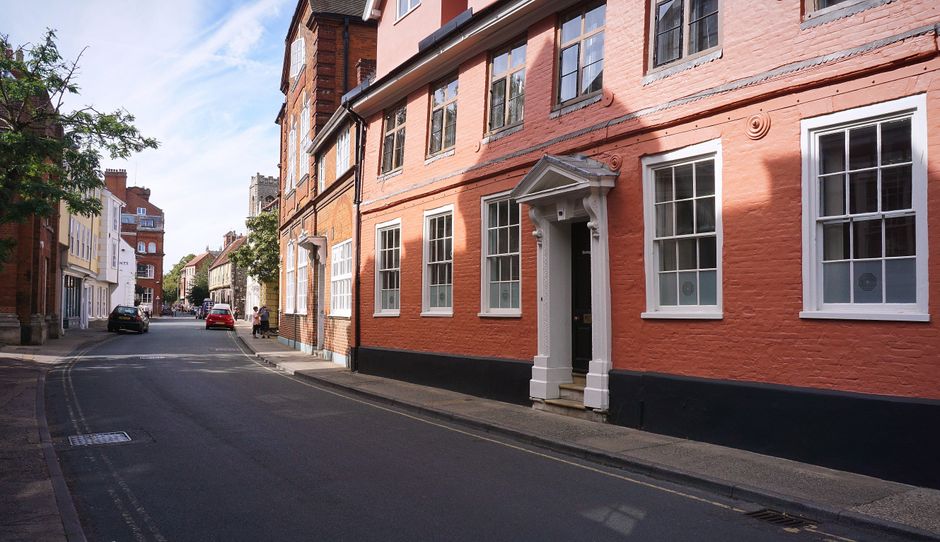
Somers Town removals for tight access flats on North Gower Street: a practical guide that actually helps
Moving out of a flat on North Gower Street can feel simple on paper, then quickly turn into one of those jobs where the hallway is too narrow, the stairs are awkward, and the van seems to be parked just slightly too far away. If you are planning Somers Town removals for tight access flats on North Gower Street, you already know the challenge is not just the move itself. It is the access, the timing, the neighbours, the stairs, the parking, and the small details that make or break moving day.
This guide breaks the process down in plain English. You will see what makes tight-access flat removals different, how a good move is planned, what to check before the van arrives, and how to avoid the kind of problems that cause delays and stress. If you want the move to feel controlled rather than chaotic, you are in the right place.
- Why it matters
- How it works
- Key benefits
- Who this is for
- Step-by-step guidance
- Expert tips
- Common mistakes
- Tools and recommendations
- Law, compliance and best practice
- Options and comparison
- Real-world example
- Checklist
- Conclusion
- Frequently asked questions
Why Somers Town removals for tight access flats on North Gower Street Matters
Tight access changes everything. A move that would be straightforward from a house with a drive can become much more involved when you are dealing with a compact flat, a busy street, a shared stairwell, or a building where the lift is tiny, slow, or not suitable for larger items. North Gower Street sits in a part of London where space is at a premium, so the margin for error is small.
That matters because removals are not only about lifting boxes. They are about safely moving furniture through a route that may include narrow entrances, sharp turns, low ceilings, internal stairs, limited parking, and time restrictions. If you underestimate any of that, the move can run long, cost more than expected, and become physically harder than it needs to be.
In practice, the people who benefit most from planning ahead are often those with the least room for improvisation. A sofa that looks perfectly manageable in the living room can suddenly become a problem on the landing. A wardrobe that was "fine" when it went in may need to be disassembled to come out. It is the sort of thing you only learn the hard way once. Ideally, not twice.
For local moves in this part of Somers Town, the key is to treat access as a core part of the removal plan, not an afterthought. That includes the walking distance from the van to the front door, the width of the staircase, the size of lift doors, and whether you can realistically move large items without blocking the building for everyone else.
How Somers Town removals for tight access flats on North Gower Street Works
A good tight-access move usually starts before move day. The team needs a clear picture of what they are walking into. In some cases, that means a quick call, a few photos, a floor number, and a note about any awkward furniture. In others, it means a more detailed plan with packing, dismantling, and loading order worked out in advance.
Here is the basic flow most well-run flat removals follow:
- Assess the access - look at stairs, corridors, door widths, lift size, parking space, and any restrictions on loading.
- Plan the load - decide which items should go first, which need dismantling, and what can be carried safely by one or two people.
- Prepare the property - protect floors, clear walkways, separate fragile items, and make sure keys and building access are ready.
- Move in stages - load smaller items first where needed, then larger pieces, then anything delicate or awkwardly shaped.
- Check the landing point - make sure furniture arrives in the right rooms and that nothing is damaged on the way.
The details matter. A small flat move may look quick from the outside, but the real work is often in the setup. For example, if your bed frame needs taking apart to pass the stairwell, doing that before the van arrives saves time and keeps everyone calmer. A few minutes saved at the start can stop a long delay later on. Sounds obvious, but the day gets hectic fast.
If you are comparing options, a local service such as man and van removals can be a sensible fit for single flats, light-to-medium loads, or moves where access is tight but the volume is manageable. For larger household moves, a broader house removals approach may be more appropriate, especially where dismantling and multiple loads are likely.
Key Benefits and Practical Advantages
The biggest benefit of planning a move properly in a tight-access flat is simple: it reduces stress. But there are other advantages that matter just as much on the day.
- Less risk of damage to furniture, walls, banisters, and flooring.
- Faster loading and unloading because the route and order are already thought through.
- Better use of the vehicle when items are stacked and secured in a sensible sequence.
- Less disruption to neighbours in shared buildings and narrow common areas.
- More realistic timing, which helps if you need to hand back keys or fit into a building access window.
There is also a practical comfort factor. When you know the team has thought about the awkward bits, you feel less like you are gambling with moving day. That is not a small thing. Moving already has enough unknowns, let's face it.
For some people, the best advantage is flexibility. If the move is small enough, a service such as moving van support may be enough. If the route is very tight, combining careful packing with a smaller vehicle can sometimes be more efficient than sending a large truck that cannot get close enough to the entrance.
Who This Is For and When It Makes Sense
This kind of removal service is a strong fit for anyone living in a flat where access is not straightforward. That could mean:
- upper-floor flats with narrow staircases
- properties without a practical lift for large items
- buildings with limited roadside stopping space
- homes where furniture must be dismantled to leave safely
- shared entrances where timing and courtesy matter
- flats on busy roads where parking is never simple
It also makes sense if you are moving on a deadline. Maybe the tenancy ends at midday. Maybe the new place is ready only from the afternoon. Maybe you have a small window when building access is allowed. In those situations, a removal plan that understands tight access is worth more than a generic "we'll manage somehow" approach.
Truth be told, these are the moves where experience shows. A crew that has handled compact London flats before will usually spot problems early, not after the sofa is halfway through the doorway and everyone is suddenly very quiet.
If your move is larger or includes multiple rooms, you may want to look at removal services or broader movers support, especially if you need packing help, furniture handling, or more than one trip.
Step-by-Step Guidance
Here is a practical way to approach a tight-access flat move on North Gower Street without overcomplicating it.
1. Measure the awkward parts first
Do not just measure the living room. Measure the doorways, the stair turns, the lift, the hallway corners, and any item that is likely to be the largest challenge. A tape measure and a quick mental check are often enough to spot the obvious issue before it becomes a problem.
2. Separate what must be dismantled
Bed frames, tables, wardrobes, and some shelving units may need partial dismantling. Put the tools in one bag and keep fixings labelled. Small detail, big payoff. Nobody wants to be hunting for Allen keys while a mattress is blocking the corridor.
3. Pack by access difficulty, not just by room
It helps to pack in a way that matches the move route. Heavy or awkward items should be ready early. Fragile boxes should not be the last thing to be grabbed if the stairwell is narrow and the time pressure is growing.
4. Protect the route
Use floor runners or blankets where needed, especially in communal entrances or older stairwells. In a tight building, one scuffed wall can become the story of the day, and not in a good way.
5. Load in a sensible order
Place heavier items at the base of the load, then fill gaps with boxes and softer pieces. This is basic removal logic, but it really matters when space is limited in the vehicle.
6. Keep communication short and clear
On the day, simple instructions work best: what goes first, what stays upright, what is fragile, what is being left behind. Clear communication avoids hesitation, and hesitation is where tight-access jobs slow down.
7. Do one last walk-through
Before leaving, check cupboards, loft-style storage, windowsills, and the back of doors. These last checks are easy to miss when everyone is tired. And yes, it happens to all of us.
Expert Tips for Better Results
Here are the little things that make a real difference in Somers Town flat removals.
- Send photos early. A picture of the stairwell or entrance is often more helpful than a long description.
- Book the right size vehicle. A smaller van that can actually park close may be better than a larger one that has to stop far away.
- Label boxes by room and priority. This saves time when unloading into a flat with limited space.
- Keep essentials separate. Kettle, documents, chargers, medication, and a change of clothes should not disappear into the main load.
- Think about neighbours. A respectful, efficient move is simply easier to carry out in a shared building.
One of the best bits of advice, honestly, is to avoid overfilling boxes. Heavy boxes are harder to carry through narrow hallways and much more likely to burst on the stairs. Nobody needs a box of books giving up halfway down the landing. Bad timing, that.
If you want added reassurance on handling and protection, it is worth checking a provider's insurance and safety approach and how they manage fragile or bulky items. For people who want help with the boring-but-important part, packing and unpacking services can remove a lot of pressure.
Common Mistakes to Avoid
Most moving problems in tight-access flats are avoidable. They usually come from underestimating the route or leaving decisions too late.
- Booking a vehicle too large for the street or access route.
- Not checking whether large furniture will fit through internal turns.
- Leaving dismantling until move morning.
- Packing boxes too heavy for easy carrying.
- Forgetting about parking or loading restrictions.
- Assuming the lift will be available, fast, and suitable for everything.
- Not telling the removal team about awkward items in advance.
The most common issue, in our experience, is simply optimism. People look at a flat and think, "It should be fine." Sometimes it is. But in a tight-access part of Somers Town, the word should can be doing a lot of heavy lifting.
Avoiding these mistakes does not require perfection. It just requires a bit of planning and a realistic eye for detail. That is usually enough to take a move from messy to manageable.
Tools, Resources and Recommendations
You do not need a van full of specialist equipment to handle a flat removal well, but a few practical tools help enormously.
- Tape measure for doors, furniture and stair turns
- Labels and marker pens for box organisation
- Furniture blankets for protection
- Bubble wrap or paper wrap for fragile items
- Basic toolkit for beds, shelves and flat-pack furniture
- Gloves and sturdy shoes for safer handling
- Phone camera for sending access photos to the team
If you are looking at service choices, it helps to compare the moving help you actually need with the size of the job. A small flat move may suit man with van support, while a fuller household move may be better served by home moves help. For heavier loads or more complex access, a more structured removal company arrangement can make more sense.
If cost is part of your decision, the sensible next step is to review pricing and quotes so you can compare what is included, not just the headline number. Sometimes a slightly higher quote is actually better value if it includes loading help, dismantling, or waiting time that you would otherwise pay for separately.
Law, Compliance, Standards, or Best Practice
For a local removal, there are a few sensible UK best-practice areas to keep in mind, even if your move is small.
Safety first: lifting, carrying and stacking should be done with care. Good movers will avoid rushing heavy items through tight spaces without a clear plan. That is not just common sense; it is how you reduce injury and damage risk.
Building rules matter: some flats have access windows, lift bookings, or requirements for protecting common areas. Even where rules are informal, it is wise to respect the shared space and keep routes clear.
Insurance matters: if something goes wrong, you want to know what cover is in place and what the process is. Reputable providers should be able to explain this in simple terms. If they cannot, that is a bit of a red flag.
Terms and conditions matter: understand what is included, what counts as a delay, and how changes are handled. For a tight-access move, these details can affect the day more than you might expect.
You may also want to review practical policies such as health and safety policy, terms and conditions, and recycling and sustainability if you are disposing of old furniture or packing waste responsibly.
Options, Methods, or Comparison Table
Different moving setups work better depending on how tight the access is and how much you need to move. Here is a simple comparison.
| Option | Best for | Strengths | Limitations |
|---|---|---|---|
| Man and van | Small to medium flat moves | Flexible, local, good for short notice, often easier in tight streets | May not suit larger furniture-heavy moves |
| Full removals team | Larger homes or complex flats | More hands, better for stairs, dismantling and multiple loads | Can be more than needed for a light move |
| Vehicle-only hire | People already loading themselves | Lower cost if you have help | Not ideal for heavy items or difficult access |
| Packing plus removals | Busy households or last-minute moves | Saves time, reduces stress, better for fragile belongings | Needs more planning and may cost more overall |
For many North Gower Street flats, the sweet spot is a smaller, well-organised move with enough help to handle stairs and narrow access without overcomplicating the job. A giant vehicle is not always the answer. Sometimes it is just a large object making a small street even less friendly.
Case Study or Real-World Example
Imagine a one-bedroom flat on North Gower Street with a narrow staircase, a lift that is too small for the sofa, and a standard move-out deadline before midday. The resident has a bed frame, a chest of drawers, a desk, several boxes, and a mirror that absolutely should not be wedged at an angle in a corridor.
A sensible plan would look something like this:
- measure the sofa, bed frame and wardrobe before move day
- dismantle the bed and remove drawers from the furniture
- pack fragile items separately and label them clearly
- book a vehicle size that can stop near the property
- protect the stair edges and landing where items will turn
- load the largest pieces first, then fill with boxes
On the day, the move is slower at the point where the sofa has to be angled through the doorway, but that is expected. Nothing is forced. The team does not try to "make it fit" by brute strength, which is where damage usually starts. Instead, they adjust, tilt, lift, pause, and continue. Calmly. It is almost boring to watch, which is exactly what you want from a removal.
That kind of approach usually ends up saving time overall because there is less backtracking, fewer mistakes, and no surprise damage report at the end. And in a busy London street, boring is a compliment.
Practical Checklist
Use this before your move. It is the kind of list that can quietly rescue the whole day.
- Measure the largest furniture pieces
- Check stair width, lift size and hallway turns
- Confirm parking or loading access
- Tell the removal team about any awkward items
- Set aside tools for dismantling furniture
- Label fragile boxes clearly
- Keep essentials in a separate bag
- Protect floors and shared areas where possible
- Review insurance and safety information
- Confirm timings and building access arrangements
- Dispose of unwanted items responsibly
- Do a final room-by-room check before leaving
If you want the move to feel less like a scramble and more like a plan, this checklist is a good place to start. Simple, yes. But useful. Very useful.
Get a free quote today and see how much you can save.
Conclusion
Somers Town removals for tight access flats on North Gower Street are all about preparation, realism and the right kind of help. The more awkward the route, the more important it is to measure properly, pack sensibly, and choose a moving setup that fits the building rather than fights it.
When those pieces come together, even a tricky flat move can feel organised and manageable. Not effortless, perhaps. Let's be fair, removals rarely are. But far calmer, safer and less stressful than most people expect.
If you are planning a move soon, take a breath, sort the access details early, and give yourself enough room to do it properly. That is usually the difference between a difficult day and a decent one. And a decent moving day is a very good thing indeed.
Frequently Asked Questions
What makes North Gower Street flat removals more difficult than a normal house move?
The main challenge is access. Flats often involve stairs, lifts, shared hallways, limited parking and tighter turning space, which makes loading and carrying more technical than a standard house move.
How do I know if my sofa or bed will fit through the stairwell?
Measure the furniture and the narrowest point on the route, including doorway widths and stair turns. If in doubt, send photos and measurements before move day so the team can advise on dismantling or an alternative approach.
Is a man and van service enough for a tight-access flat move?
Often yes, especially for smaller loads or one-bedroom flats. If you have more furniture, heavy items or several flights of stairs, you may need a fuller removals setup.
Should I dismantle furniture before the movers arrive?
If possible, yes. Bed frames, tables and some wardrobes are much easier to move once dismantled. It also reduces the risk of damage in narrow hallways and stairwells.
What should I tell the removal team before the move?
Tell them about stairs, lift size, parking limitations, awkward furniture, access times and anything fragile or heavy. The more honest and specific you are, the smoother the day usually goes.
Do I need to reserve parking for a flat move in Somers Town?
It depends on the property and local street conditions. In many London moves, parking or loading space is a major part of the plan, so it is wise to check that early rather than assuming a space will be available.
What is the best way to pack for a tight staircase?
Use smaller, lighter boxes and keep heavy items like books to a minimum in each one. Boxes that are easy to carry are much safer on stairs and easier to stack in the van.
Can movers help with packing and unpacking too?
Yes, some services include or offer packing and unpacking services. That can be a real help if you are working to a deadline or simply do not want to spend three evenings surrounded by boxes.
How do I reduce the risk of damage in a tight-access flat?
Protect the route, dismantle large furniture where needed, use proper packing materials, and choose a team that knows how to manoeuvre items carefully through narrow spaces. Rushing is usually what causes damage.
What if my moving day runs late?
Build a bit of flexibility into your plan if you can. Delays sometimes happen because of parking, access, or lifting issues. Clear communication with the movers helps keep the situation under control.
Where can I check trust and service details before booking?
Look at the provider's about us, insurance and safety, and terms and conditions information. Those pages usually tell you a lot about how the service is run and what to expect.
What is the next sensible step if I am ready to move?
Get your measurements, photos and dates together, then review pricing and quotes. Once you know the access details and the likely load size, it becomes much easier to choose the right moving support.