Man and van in Somers Town for practical local moving help

Man With Van Somers Town provides man and van in Somers Town for customers who need careful transport of household items, single pieces of furniture, part-load moves or straightforward local removals. The service suits people who want a flexible vehicle and loading help without arranging a full-scale removal operation. We keep the focus on getting belongings moved sensibly, with the right size of vehicle and a process that stays clear from first enquiry through to delivery.
Our main work covers moving furniture, boxes, bags, appliances and mixed loads, along with support for collecting items from shops, storage facilities, flats and offices. Where a move needs extra handling, we can also discuss packing and unpacking services as part of a fuller plan. The aim is to make each job fit the load rather than forcing the load to fit a fixed package, which helps customers who only need a few items shifted.
If you are planning a local move, a one-off collection or a small load transfer, start with the items themselves, the access at each end and the timing that works best for you. For a quotation, send the details that matter most and ask for a clear response. If you need a simple moving option in Somers Town, we are ready to talk through it.
Household moving support
Household transport can range from a single wardrobe to a fuller flat move, and the value of a man and van service is that it can stay proportional to the job. We handle everyday domestic items with care, including furniture, white goods, packed belongings and occasional fragile pieces. For broader domestic removals, our home moves page covers the kind of work where several rooms or a complete household load need moving in one organised journey.
Some customers want a simple collection and delivery rather than a staged house removal. In those situations, the load may be too small for a traditional removal crew but too awkward for a standard car. Our removals service reflects that middle ground, while the vehicle and lifting support can still be adjusted around access, item size and whether there are stairs, lifts or waiting restrictions to consider.
Typical domestic jobs include moving beds, sofas, dining sets, wardrobes, desks, boxed contents, mirrors and boxed kitchenware. The service also works well for room-by-room transfers, student moves and household items going into storage. If your move includes bulky furniture that needs dismantling before transport, mention that early so the preparation can be planned properly and the move day stays efficient.
Flexible transport for furniture and single items

Not every booking is a full move. Many customers just need a reliable way to get one or two large items from one address to another, and a man and van arrangement is often the cleanest solution. Our furniture pick-up service is relevant when you have bought something second-hand, arranged a store collection or need a bulky item moved without delay. It is a practical choice for sofas, tables, chests of drawers and similar loads.
The same approach can help when the item is awkward, heavy or simply inconvenient to move alone. A good plan considers carrying distance, parking, narrow hallways, lift access and any need to protect finishes while loading. For customers who want a broader vehicle and labour option, moving van arrangements can suit mixed loads where one or two items are accompanied by cartons, bags or other household goods.
To make a furniture move run smoothly, it helps to know exactly what is being collected, whether the item is already assembled and whether anyone will be present at both ends. If the work involves dismantling, protective wrapping or tight access, those details shape the time needed and the safest loading method. Clear information at the start usually produces a clearer quotation and a more efficient move.
Office and commercial moves
Small businesses, landlords and home workers often need a move that is organised but not oversized. Our commercial moving work covers desks, chairs, filing units, archive boxes, IT equipment and other business contents that need careful handling. Where a workspace relocation is more involved, the office relocation services page reflects moves that require a more structured approach to equipment, access and sequencing.
We can also assist with premises clearances and furniture movement between sites when a company is reducing stock, refreshing layouts or relocating part of its operation. The key is to separate what needs careful transport from what simply needs collecting. In a business setting, timing and access matter as much as distance, so it helps to plan around opening hours, delivery windows and the safest route for loading.
Commercial customers often need a service that is neat, discreet and adaptable. That can mean moving a few workstation items, carrying archive material into storage or transporting office furniture to another address. If you are comparing options, look at whether you need one vehicle journey, several trips or support with packing first. For straightforward office-related transport, a man and van service can be the right balance of capacity and control.
How the moving process is usually planned

A useful move begins with the facts: what needs moving, where it is coming from, where it is going and what conditions apply on site. That includes access points, floor levels, the presence of lifts, any restricted parking and whether items are already boxed or still loose. Our contact-us page is the natural next step when you are ready to share those details and ask for a quotation based on the actual work.
It also helps to think about the arrangement of the load. Items that are fragile, especially heavy or awkwardly shaped may need different handling from standard boxes. If you know whether something is to be carried upstairs, put into storage or assembled at the destination, those points can be considered when the move is priced and scheduled. A simple list of items is often enough to start the conversation.
For many jobs, the most efficient plan is to group belongings by room or by type so loading can be done in a logical order. That approach keeps items from being buried at the back of the vehicle and makes unloading more straightforward. It also allows customers to decide which belongings need the most protection and which can travel as standard household cargo.
Packing, protection and careful loading
Good moving work depends on more than the vehicle. It also depends on sensible wrapping, stacking and protection while the load is being handled. Our packing and unpacking services can support customers who want help preparing items before transport or settling them at the destination. That can be useful for breakables, mixed household goods or jobs where time is limited and the move needs to stay orderly.
Loading should be arranged so the items inside the van travel securely and arrive in the same condition they left. Heavy objects are generally placed to provide stability, while more delicate items are kept separate from anything that could mark or crush them. This is not about making the process complicated; it is about treating the load in a way that matches the contents and the route.
When planning packing for a move, it is useful to decide what should be boxed, what should be wrapped and what can remain as it is. Some items travel well once protected with blankets or covers, while others need stronger packing material or a separate container. If you are unsure, ask for guidance before the move day so the preparation matches the type of transport being arranged.
Pricing, scope and quotation factors
Move pricing usually depends on the amount of cargo, the journey distance, how long loading and unloading are likely to take, and whether the site has practical access for a van. A quotation may also reflect stairs, waiting time, multiple pick-up points or the need to dismantle and rebuild furniture. For customers comparing options, our pricing and quotes page is the best place to understand how an estimate is prepared.
It is sensible to separate the essential parts of a quote from extras that may or may not be needed. For example, transport for a small sofa set is different from a move that includes beds, cupboards and several cartons. If there are parking limitations, long carries from the vehicle or storage stops along the way, those details can change the scope of work. A good quote should reflect what is actually being moved.
Two practical points usually help the conversation most: first, a list of the items and, second, any access information that may affect handling. That is often enough for an initial response. If the job later changes, it is better to update the details before moving day rather than leaving the schedule to guesswork. Accurate scope makes for a better quotation and a more predictable service.
Local area profile: Somers Town
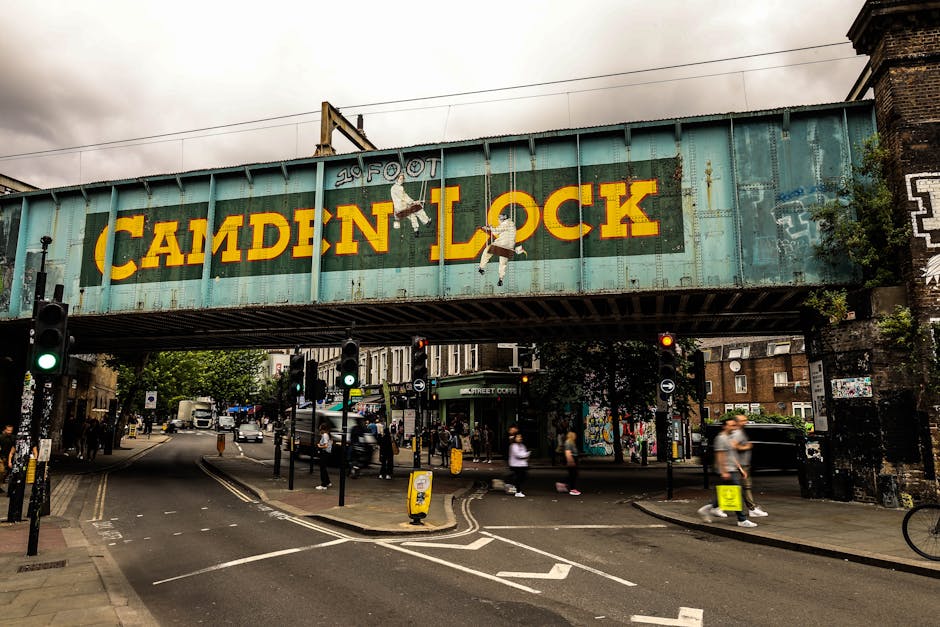
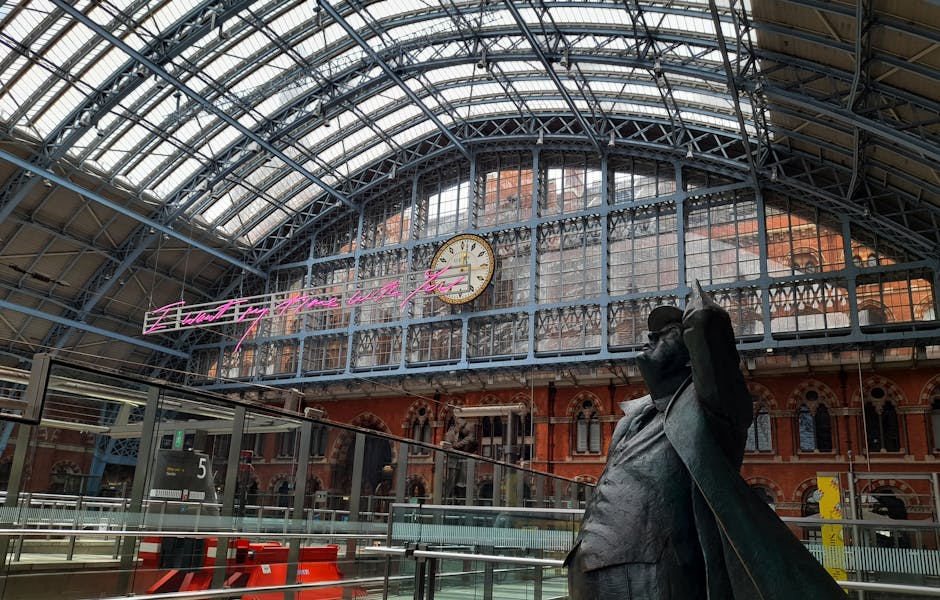
Somers Town is an inner London district in the London Borough of Camden, positioned between Euston, St Pancras and King’s Cross. Its present character reflects several layers of redevelopment, from Georgian housing schemes linked to the Somers family to later twentieth-century estates and civic rebuilding. The area is closely associated with railway infrastructure, with the station cluster nearby shaping movement, land use and daily life for generations. St Pancras New Church and the former burial ground are among the district’s notable historic references, while nearby streets show a mixture of older terraces, post-war housing and more recent public realm changes. The neighbourhood has long attracted writers, reformers and artists, and Charles Dickens gave it a place in The Pickwick Papers and other work, helping to embed Somers Town in wider cultural memory. Local identity is also supported by schools, community spaces and small-scale retail streets that continue to give the district an everyday urban rhythm. Despite the pressure of major transport corridors around it, Somers Town retains a human scale in many of its residential lanes and squares, with a dense, walkable pattern that connects it to the larger Camden and central London landscape.
When a man and van is the right fit

A man and van service is often the right fit when the job is too detailed for a courier and too small for a full removal team. It offers a middle ground that can adapt to domestic, commercial and collection-based work without forcing everything into the same format. That flexibility matters when you are moving a modest number of items, coordinating a short-distance transfer or handling belongings that need extra care but not a large crew.
There are also jobs where the key issue is not the size of the item but the shape of the day. A customer may need furniture moved after a delivery slot, office items shifted outside working hours or household belongings taken to storage in a sequence that suits a tight timetable. In those cases, the value lies in practical organisation, sensible loading and the ability to match the transport to the task rather than the other way around.
If you are deciding between a van-only arrangement and a broader removal service, think about how much lifting is involved, how many places the load needs to visit and whether packing support would help. For many everyday moves, the best outcome comes from a clear plan and an adaptable vehicle. If you need to move soon, send the details and ask for a quotation.
House removals, storage runs and final arrangements
Some moves involve more than transport from one front door to another. There may be a stop at storage, a collection from a seller or a final delivery to a different floor plan than the one you left behind. Our house removals page reflects that broader domestic work, where the move may include several types of item and more than one handling stage. The same principle applies to smaller storage runs and part-load domestic shifts.
People often use a man and van for temporary moves, such as taking belongings into storage while decorating, moving between homes in stages or clearing selected rooms before a bigger change. The useful question is not simply how much fits in the van, but how the move should be sequenced so nothing is left awkwardly behind. If there are several destinations, that should be made clear at quotation stage.
For customers who want a final check before arranging the work, the main thing is to confirm the items, the addresses and the timing. A move becomes easier to manage when the route is known and the load is set out in a practical order. That keeps the service focused on transport rather than creating avoidable complications on the day.
Useful ways to prepare an enquiry

When asking for a quotation, it is usually enough to provide the item list, the pick-up and drop-off areas, access details and any notes about stairs, parking or heavy lifting. If the job includes something unusual, such as oversized furniture, awkward assembly or several stops, mention that too. Our man and van page gives a straightforward route into the service itself if you want to read the broader overview before making contact.
Useful preparation tends to keep the process simple. A few photographs can help if there are large or delicate items, but they are most valuable when they show the item size and the way it is stored rather than sending a vague snapshot. If you have measurements, they can help too, especially for wardrobes, appliances and other bulky pieces that need to fit through tight spaces or into specific rooms.
Once the essential facts are shared, the quotation can focus on what is actually required, not on assumptions. That makes it easier to compare the service with other options and decide whether a simple van move, a fuller removal plan or additional packing support is the best fit. For a clear start, get the details together and ask for a quote.
Related services and ways to book the right help
Some customers prefer to choose a service by the scale of the job rather than by the name of the vehicle. In that case, related pages can help you narrow the choice. Our man with a van page describes the same practical style of moving assistance, while the wider removal services page is useful if you want to compare broader transport and handling options in one place.
If you already know that your move is a domestic house transfer, the house movers page may feel closer to the wording you want, whereas customers planning a business relocation may prefer commercial moves. These pages do not change the core need: a clear list of belongings, a sensible route and a quotation that matches the work rather than overcomplicating it.
For an accessible next step, you can read the service overview, compare the relevant pages and then send your details when you are ready. If you need a man and van in Somers Town, contact us for a quotation and we will discuss the move in practical terms.