Waste Disposal Laws in NW1: What Somers Town Movers Must Know
Posted on 30/07/2026
Moving house in Somers Town is rarely just about boxes, tape, and a van waiting outside. Waste Disposal Laws in NW1: What Somers Town Movers Must Know can shape the whole move, from what you can leave on the street to how you handle broken furniture, packing waste, and old appliances. Get it wrong and you may end up with delays, complaints, or a fine nobody wants to deal with at the end of an already long day. Get it right, and the move feels calmer, cleaner, and a lot less chaotic.
In a busy part of North West London, waste rules matter because streets are tight, shared spaces are heavily used, and residents have limited tolerance for mess building up outside a block or on a pavement. The good news is that the basics are manageable once you understand the logic behind them. This guide walks through the practical side of compliance, the common pitfalls, and the simple planning steps that make moving day much easier. If you are also trying to organise the packing itself, you may find our guide on effective packing solutions for your house move useful alongside this one.
Truth be told, most moving problems are not dramatic legal mysteries. They are small, avoidable mistakes: leaving rubbish out too early, dumping bulky items beside a bin store, or assuming a quick clear-out can be handled later. A little structure goes a long way.

Contents
- Why this matters in NW1
- How waste disposal works during a move
- Key benefits of staying compliant
- Who needs this guidance
- Step-by-step moving waste plan
- Expert tips from real moving situations
- Common mistakes to avoid
- Tools, resources and recommendations
- Law, compliance and best practice
- Options and comparison table
- Real-world example
- Practical checklist
- Conclusion
- Frequently asked questions
Why Waste Disposal Laws in NW1: What Somers Town Movers Must Know Matters
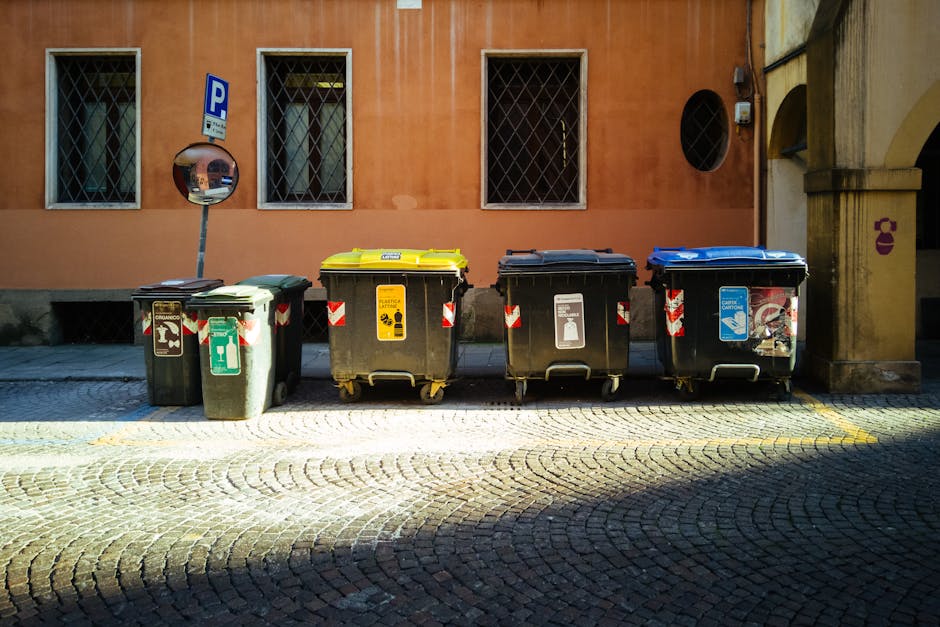
Waste rules are not just a background issue. They affect timing, access, safety, and reputation. In a place like Somers Town, where lots of moves involve flats, managed blocks, shared entrances, and narrow streets, waste can become a visible problem very quickly. A broken wardrobe left by the kerb, a mattress leaning against a wall, or bags of box fill dumped near a loading area can create friction with neighbours and building managers almost immediately.
The practical point is simple: a move creates waste at multiple stages. There is the packing waste, the unwanted items you are not taking, and the final clear-up once everything is out. Each stage has different expectations. Some waste can be reused or recycled. Some needs specialist disposal. Some should go to council collection or a licensed facility. And some should not be left anywhere at all until it is collected.
There is also a financial angle. Mistakes can become expensive when they lead to missed deadlines, extra van trips, blocked access, or cleaning work that takes longer than planned. If you are moving from a flat and want to leave it in decent order, pairing your disposal plan with a proper exit clean makes sense. Our piece on move-out cleaning routines and hacks covers the clean-up side in more detail.
One thing we see often is this: people spend ages choosing boxes, wrapping glassware, and planning route access, then only think about rubbish on the final morning. That is usually when stress spikes. A better disposal plan removes that last-minute scramble.
How Waste Disposal Laws in NW1: What Somers Town Movers Must Know Works
In plain English, waste disposal law and local practice say that you are responsible for handling your household rubbish properly. For movers, that usually means separating what stays, what goes for reuse, what can be recycled, and what needs a proper collection route. You cannot simply place waste on a pavement and hope it disappears. You also should not leave waste in communal areas unless the building rules allow it and there is a lawful collection arrangement in place.
For many Somers Town moves, the process works like this:
- Sort items before the packing stage so you know what is being moved and what is being discarded.
- Check which items are reusable, recyclable, or classed as bulky waste.
- Keep waste in secure bags or bundles so it does not spread into a shared hallway or loading space.
- Arrange collection or removal through the appropriate channel.
- Leave the property and surrounding area clean once the van has gone.
That last step matters more than people think. A tidy handover reduces conflict and keeps things moving. If you are working to a tight schedule, especially in a shared building or on a busy street, the sequence matters. You do not want cardboard boxes, old drawers, and plastic wrap building up beside the front door while someone else is trying to get past with a pram or shopping trolley.
If your move includes awkward or bulky items, the challenge grows. Sofas, beds, and old cabinets are not just awkward to carry; they can also be awkward to dispose of because they take space, sometimes need special handling, and rarely fit into a normal bin routine. For a useful related read, see how to get rid of bulky waste during a Somers Town move.
And if you are dealing with a piano, that is a different game entirely. Heavy, valuable, and often delicate. Disposal, storage, or relocation all need care. Our page on piano removals in Somers Town is relevant when the item itself needs specialist attention rather than a basic clear-out.
Key Benefits and Practical Advantages
Following the right waste disposal approach during a move is not only about avoiding problems. It actually makes the move better. Cleaner. Faster. Less tiring. That is the bit people remember once the day is done.
- Fewer delays: When waste is sorted in advance, loading is smoother and the van can be used properly.
- Less risk of complaints: Neighbours and building managers are less likely to object if shared spaces stay clear.
- Better recycling opportunities: Items separated correctly have a much better chance of being reused or recycled.
- Lower chance of damage: Loose waste in corridors and stairwells becomes a trip hazard, especially in older buildings.
- Cleaner handover: A tidy property helps at the end of the tenancy or sale process.
- Less emotional strain: Honestly, fewer piles of junk means less mental clutter too.
There is also a hidden benefit: decisions become easier. Once you know what can be reused, what should be recycled, and what needs special disposal, you stop circling the same question again and again. That matters in a move, because decision fatigue is real. By late afternoon, even the obvious choices can feel weirdly heavy.
In practice, this is where a good planning article and a sensible removals team work well together. If you are trying to keep the whole move feeling under control, our guide on creating a stress-free experience when moving house fits neatly with the disposal side.
Who This Is For and When It Makes Sense
This topic matters for anyone moving in or out of NW1, but it is especially useful for people dealing with flats, estates, or streets where access is tight. In Somers Town, that often means renters, students, landlords, flat owners, office movers, and anyone who has accumulated more stuff than expected in a compact home. Let's face it, that is most of us.
You will probably need this guidance if you are:
- moving from a flat with shared bins or restricted bin access
- clearing unwanted furniture or broken household items
- trying to reduce how much waste the move creates
- facing a same-day or short-notice move and need a fast but lawful disposal plan
- handing back a property where cleanliness and rubbish removal are part of the agreement
- moving office items, packaging, or mixed waste from a work premises
It also makes sense if you are moving into storage. People often forget that moving to storage is not the same as moving to a new home. You may still need to dispose of items before they take up valuable storage space. If that is your situation, storage in Somers Town can be part of the planning picture, but only if you have already made a clear call on what is worth keeping.
One small but important point: waste planning is not just for big moves. Even a one-bedroom flat can generate a surprising amount of packaging, old clothes, broken lamps, and random extras from cupboards nobody has opened in years. You know the cupboard. Everyone has one.
Step-by-Step Guidance
If you want a practical system, use this sequence. It is simple, but it works.
- Start with a room-by-room sort. Be honest about what you are actually taking. If an item is damaged, redundant, or too costly to move, put it in the disposal pile.
- Separate reusable from waste. Good items can be donated, gifted, or sold. Waste should not be mixed in with things you still want to keep.
- Break down large items early. Flat-pack furniture, cardboard, and loose fittings are easier to manage when dismantled in advance.
- Keep recyclable materials together. Cardboard, paper, some plastics, and clean packaging should not be mixed with general rubbish if you can avoid it.
- Label bags and bundles clearly. A marker pen saves time later. It sounds minor, but it really does help.
- Plan the collection or removal timing. Don't leave waste until the final hour. That is how hallways turn into obstacle courses.
- Check communal rules. If you live in a managed building, ask how waste should be left, if at all, and where it can be stored temporarily.
- Do a final sweep. Look under beds, behind radiators, inside cupboards, and around the back of utility rooms.
If your move involves difficult lifting while sorting waste, pace yourself. A useful primer on body mechanics is kinetic lifting and strength training, and if you are tackling awkward loads in a tight space, heavy lift techniques for solo handling is worth a look too. Not because you should do everything yourself, but because safer movement starts with better judgement.
Expert Tips for Better Results
Here is the sort of advice that makes a real difference in NW1, especially when the building is busy and the move has to happen on a tight clock.
Tip 1: Remove waste before the main packing day if possible. This keeps the move lighter. Less clutter, fewer decisions, and fewer chances of mixing up rubbish with valuables.
Tip 2: Treat cardboard as a project, not an afterthought. Cardboard can dominate a move if you let it. Collapse it early. Stack it neatly. Keep it dry if you can, because soggy cardboard is a nuisance and, frankly, a bit grim.
Tip 3: Keep a small "do not move" area. Put discarded items in one visible place so nobody accidentally loads them into the van. It sounds obvious, but in the middle of a move, obvious things have a funny habit of disappearing.
Tip 4: Check for hidden waste. Kitchen units, airing cupboards, under sinks, and balcony storage spots often contain old bottles, broken accessories, batteries, or random bits that get overlooked.
Tip 5: Use the right moving day order. Waste out first, heavy furniture second, fragile items last. That order keeps pathways clearer and reduces the chance of clutter spreading back through the property.
Tip 6: If an item might be reusable, do not rush to bin it. In moves, "maybe useful later" items often become "why did I keep this?" items by the end of the day. But some things really are worth passing on. Be selective.
For furniture-specific planning, it helps to think about how disposal choices affect the rest of the move. Our guide on furniture removals in Somers Town can help you see where disposal and relocation split apart. Similarly, if you are moving a full flat, flat removals in Somers Town may be more relevant than a general household approach.
Small aside, and a very real one: the day always seems to produce one item you forgot existed. Usually a lamp. Or a kettle. Or a box of cables that looks suspiciously important but is somehow never important when you open it.
Common Mistakes to Avoid
The most expensive waste mistakes are usually boring ones. Not dramatic. Just inconvenient.
- Leaving rubbish in a communal hallway: This can cause issues with residents, building staff, and fire safety. Shared spaces should stay clear.
- Assuming all waste can be put out together: Mixed waste is harder to handle and often less recyclable.
- Forgetting bulky items: Sofas, mattresses, shelves, and office furniture need their own plan.
- Ignoring timing: If waste is placed out too early, it may sit there longer than expected. Not ideal in a busy street.
- Not checking for special items: Some items need extra care, especially those with electrical components, fluids, or sharp edges.
- Waiting until moving day to decide: That is when stress and mistakes tend to arrive together.
One common issue in Somers Town is access. If a van cannot park as expected or the route from the flat is longer than planned, waste piles can become awkward very quickly. This is why route planning and timing matter just as much as the disposal method itself. Our article on loading bay rules at Euston is helpful if your move involves street-side loading and tight time windows.
Another mistake is treating packaging like harmless fluff. It is not. Packaging expands, drifts, and fills corners. A few loose boxes can turn into a surprisingly annoying mess by 4 p.m.
Tools, Resources and Recommendations
You do not need fancy equipment to manage waste properly during a move, but a few practical tools help a lot.
- Heavy-duty bin bags: Useful for general rubbish, but avoid overfilling them.
- Marker pens and labels: Essential for marking reuse, recycle, dispose, or keep.
- Box cutters and tape: Helpful for flattening cardboard and breaking down packaging.
- Work gloves: Good for dusty loft items, broken packaging, and rough cardboard edges.
- Sturdy sacks or crates: Better than loose bags for small mixed items.
- Blankets or wraps: Useful when separating reusable furniture from waste-bound items during loading.
There are also a few content resources on the site that help with the wider move, which in turn makes waste easier to control. If you are still at the planning stage, decluttering for a fresh start is an excellent companion read. For packing supplies, packing and boxes in Somers Town is useful if you want to keep materials organised from the outset.
If you are trying to keep the move secure and reduce hassle, it is also worth reviewing broader service information like insurance and safety, health and safety policy, and the practical details in services overview. Those pages help frame waste disposal as part of a bigger, safer moving process rather than a last-minute chore.
Law, Compliance, Standards, or Best Practice
For movers in NW1, the safest approach is to treat waste as something you remain responsible for until it is properly handed over, collected, or taken to the right place. The exact method depends on the item and the local arrangements in place, but the principle is steady: do not leave waste where it causes obstruction, health risks, or illegal dumping concerns.
Best practice usually includes the following:
- keeping public pavements and shared entrances clear
- separating recyclable materials where possible
- arranging proper collection for bulky or awkward items
- avoiding fly-tipping, even for "temporary" placement
- checking building rules before using bin stores or communal disposal points
It is also wise to consider the broader duty of care you owe when moving waste from one place to another. That means choosing sensible disposal routes and not handing the problem to someone else without understanding where it ends up. If a mover is helping with disposal, ask how they handle recycling, reuse, and waste separation. Good operators should be able to explain it clearly without making it sound complicated.
For readers who value ethical and operational standards, our site information such as recycling and sustainability, terms and conditions, and about us can provide extra context on how a professional service approaches its responsibilities. Nothing glamorous there, maybe, but it does matter.
Options, Methods, or Comparison Table
Different waste types call for different methods. A simple comparison helps, especially when you are deciding what to do with mixed items in the middle of a move.
| Option | Best for | Pros | Watch-outs |
|---|---|---|---|
| Reuse or donate | Clean, working furniture and household goods | Reduces waste, helps others, lowers disposal load | Only suitable if items are in decent condition |
| Recycling route | Cardboard, packaging, selected household materials | Cleaner than general waste, usually sensible for moves | Materials must be separated and kept reasonably clean |
| Bulky waste collection | Large items such as sofas, beds, wardrobes | Handled as a specific disposal task | Needs planning and timing; not instant |
| Van-assisted clearance | Mixed clear-outs, especially on moving day | Efficient if you have several items to remove together | Must still be managed lawfully and sensibly |
| Storage first, decide later | Items you are unsure about | Buys time and prevents rushed decisions | Can become costly if used for clutter you do not need |
In practice, the best choice is often a mix. A few items go into reuse, a pile of cardboard gets flattened for recycling, and one or two bulky pieces are removed separately. That is usually more realistic than trying to force everything into one method.
If your move includes a mix of household and specialist items, you may also want to review the related guidance on beds and mattresses and long-term sofa care. Those are the sort of items that quietly complicate disposal plans if you leave them to the last minute.
Case Study or Real-World Example
Imagine a one-bedroom flat near Somers Town with a short move-out deadline. The tenant has a dismantled bed frame, two broken dining chairs, a stack of flattened cardboard, an old desk lamp, and a sofa that is too worn to keep. If everything is left until the final morning, the hallway fills up, the van loading slows down, and the room starts to feel smaller by the minute.
A better approach would look like this. First, the lamp and small accessories are sorted into keep, recycle, or discard. The cardboard is flattened and tied neatly so it does not spread. The chairs are separated from the furniture to see whether any parts can be reused or recycled. The sofa is treated as bulky waste or specialist removal rather than general rubbish. Then the loading plan is adjusted so the largest items leave first, leaving only the final sweep for the end.
What changes in that scenario? Not magic. Just control. The flat clears faster, the moving crew can work without stepping around loose rubbish, and the resident avoids that awful last-hour feeling of everything being everywhere at once.
This is also where good communication helps. If you are using a man and van service, be clear about what needs loading, what needs disposal, and what must not be touched. That is especially important when choosing between man and van in Somers Town and a more full-service move. The right setup depends on how much sorting is still ahead of you.
Practical Checklist
Use this quick checklist before moving day.
- Have I separated keep, donate, recycle, and dispose piles?
- Have I checked for bulky items that need special handling?
- Have I flattened all cardboard and tied it securely?
- Have I kept communal areas clear of loose rubbish?
- Have I checked building rules for bin stores or exit areas?
- Have I planned when waste will leave the property?
- Have I avoided mixing recyclables with general waste?
- Have I checked cupboards, loft areas, under beds, and utility spaces?
- Have I arranged any extra help needed for heavy or awkward items?
- Have I left enough time for a final tidy-up before handover?
If you can tick most of those off, you are already ahead of the game. And if not, no drama. Start with the biggest pile and work down. Small wins first.
Conclusion
Waste disposal during a move is one of those things that looks minor until it suddenly isn't. In NW1, and especially around Somers Town, the combination of tight access, shared spaces, and busy streets means a little planning pays off quickly. When you understand the basic rules, separate waste properly, and avoid leaving rubbish where it can block people or create friction, the move becomes smoother and far less stressful.
There is no need to overcomplicate it. Sort early, keep routes clear, think about bulky items in advance, and treat disposal as part of the moving plan rather than a leftover task. That alone can save time, reduce hassle, and make the final handover feel much more professional.
Get a free quote today and see how much you can save.
And if all this has felt a bit much, that is normal. Moving is noisy, physical, and oddly emotional. The good news is that a sensible waste plan makes the whole thing feel more human, more manageable, and a lot less like a pile-up at the front door.