Narrow Staircase Moves on Eversholt Street: Safe Techniques
Posted on 18/06/2026
Narrow staircases are where an easy-looking move can turn awkward in a heartbeat. If you are tackling Narrow Staircase Moves on Eversholt Street: Safe Techniques, the real challenge is not just weight; it is angles, turns, headroom, timing, and keeping everyone calm when the hallway suddenly feels half its size. Truth be told, one clumsy corner can stall the whole day.
This guide breaks down the safest way to handle tight stairwells, especially in older London properties where bannisters are close, landings are short, and a bulky sofa seems to grow in width the moment you reach the first bend. You will find practical step-by-step advice, common mistakes, useful kit, and the kind of planning that makes the difference between a smooth carry and a stressful stand-off halfway up the stairs.
For readers already planning a move, a little preparation goes a long way. It also helps to understand the wider moving picture, which is why some people pair this approach with advice from effective packing solutions for a house move and stress-free moving guidance before the first box is lifted.
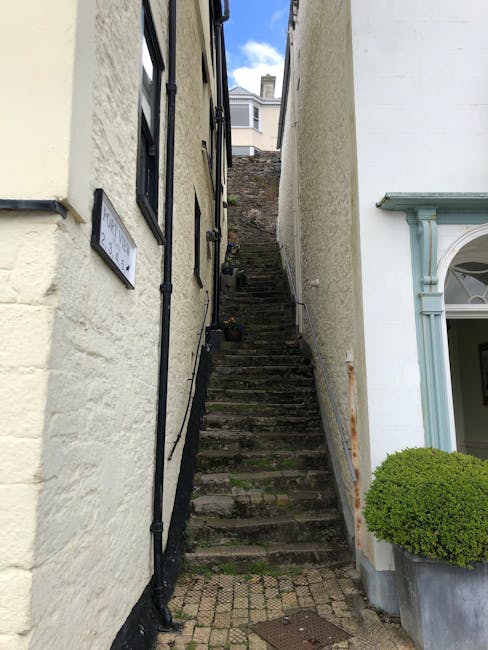
Why Narrow Staircase Moves on Eversholt Street: Safe Techniques Matters
Narrow staircases create a different kind of risk. You are not just moving an item from one place to another; you are managing balance, body mechanics, visibility, and the layout of the building itself. On Eversholt Street, where homes and flats can involve tight internal stairs, small landings, and shared entrances, the margin for error is tiny.
The biggest issue is that people usually underestimate the space needed for a turn. A mattress can flex, a wardrobe may pivot, and a sofa might look manageable from below. Then you hit the bend and everything slows down. That is where safe technique matters most. It protects the item, the property, and the people carrying it.
There is also a practical side. When a move is organised properly, you spend less time wrestling with awkward objects, less time apologising to neighbours for blocked passageways, and less time worrying about scratches on walls or chipped paint. If the item is especially heavy or oddly shaped, it is wise to read up on manual handling first. A helpful starting point is the principles behind safe lifting and body mechanics, which explain why technique matters more than bravado.
Expert summary: safe narrow-staircase moving is about preparation, control, and teamwork. If the object cannot be carried cleanly, it should usually be re-measured, re-angled, or re-planned rather than forced through. Pushing harder is rarely the answer.
How Narrow Staircase Moves on Eversholt Street: Safe Techniques Works
The method is simpler than many people expect, but it needs discipline. Safe narrow staircase moving works by reducing uncertainty before the lift begins. That means checking measurements, clearing the route, deciding who leads, and agreeing how to communicate before anyone steps onto the stairs.
The move itself normally follows a controlled sequence:
- Assess the item and the staircase. Measure width, height, depth, and turning space. Look at handrails, light fittings, bannister posts, and any tight landings.
- Choose the safest orientation. Some items move best upright; others need a tilt, a side carry, or a protected edge-first angle.
- Assign roles. One person leads from the top or bottom, another stabilises from the opposite end, and a third person can watch corners, doors, and hazards.
- Use slow, clear movements. Short steps are safer than big ones. If the item starts to drift, stop and reset.
- Protect the environment. Wall guards, blankets, and corner protection reduce damage when the staircase is tight.
There is no magic in it, to be fair. The best results come from staying methodical. On narrow stairs, speed often creates the very problems people are trying to avoid. A careful lift that takes an extra minute is usually the smarter choice.
If the item is a bed frame or mattress, planning becomes even more important. The shape is awkward, the surface can catch on bannisters, and corners love to snag at the worst moment. That is why many movers consult bed and mattress moving guidance before the job starts.
Key Benefits and Practical Advantages
Using proper narrow-staircase techniques brings several benefits that show up immediately during the move and later in the day too.
- Less chance of damage. A careful carry protects plaster, paintwork, bannisters, corners, and the item being moved.
- Lower physical strain. Good body positioning reduces the chance of back, shoulder, or wrist strain.
- Better control on landings. Small landings are where most mistakes happen, so controlled movement really pays off there.
- Faster overall progress. It sounds odd, but careful planning usually saves time because you avoid resets and awkward pauses.
- Less stress for everyone involved. A calmer team makes cleaner decisions. No one wants a staircase debate at 8:15 in the morning.
There is another advantage people overlook: confidence. Once the team knows how the item will move, the whole job feels more manageable. That mental shift matters. A move can feel chaotic until the plan is clear, then suddenly the day settles down.
For anyone who is trying to simplify the broader moving process, decluttering beforehand can make narrow staircases much less of a headache. Fewer items, fewer turns, fewer near-misses. In practice, decluttering before the move often saves more time than people expect.
Who This Is For and When It Makes Sense
This approach is for anyone moving bulky or fragile items through confined stairwells, but it is especially useful in older flats, converted houses, and shared buildings. If your route includes a stairwell that barely allows two people side by side, you are in the right place.
It makes sense when you are handling:
- sofas and armchairs
- double or king-size mattresses
- bed bases and frames
- bookcases and wardrobes
- white goods with awkward depth
- pianos or similarly delicate, heavy items
It is also relevant if you are moving under time pressure, or if the building has awkward access rules. For instance, some flat moves on busy streets need a very tidy sequence because neighbours, stair users, and loading windows all matter. If that sounds familiar, you may find flat removal support for tighter properties useful in the wider planning stage.
Students and short-term renters tend to benefit too, especially when furniture is being taken apart and carried in sections. It is not glamorous work, but it is much easier than trying to force a full-size item around a corner and hoping for the best. Let's face it, "hoping for the best" is not much of a moving strategy.
Step-by-Step Guidance
If you want a simple, safe process, use this order. It is not fancy, but it works.
1. Measure before lifting
Measure the item at its widest point and compare it with the narrowest part of the staircase, including handrails and corners. Do not assume the stairs are wider than they look. They usually are not.
2. Clear the route completely
Remove doorstops, mats, loose items, floor clutter, and anything that could make someone slip. Keep the landing dry and tidy. A small obstacle becomes a big one once you are carrying a wardrobe.
3. Protect the building
Use blankets, padded covers, cardboard corner guards, or taped protection on edges where scraping is likely. This is especially useful on painted walls and narrow bends.
4. Strip the item down if possible
Take doors off wardrobes, remove drawers, detach legs, and wrap loose parts separately. The less awkward the load, the safer the carry. This is exactly the sort of detail that helps when moving furniture properly, not just "getting it out of the door".
5. Agree the lift plan
Who leads? Where will the item pivot? Who calls the stop if something feels wrong? Say it out loud before you start. Small things, but they matter.
6. Lift with short, controlled steps
Keep the load close to the body where possible. Move slowly. Pause on landings. If you feel the item shifting, do not fight it blindly. Reset the position and try again.
7. Use the right angle for corners
Sometimes the item needs to be tilted diagonally, then rotated slightly once the front edge clears the turn. This is the part that usually looks a bit like a puzzle. A slightly awkward puzzle, admittedly.
8. Finish with a proper check
After the item is through, check for scuffs, loose fittings, strain, or anything that needs attention. A quick review saves trouble later.
Expert Tips for Better Results
After plenty of real-world moves, a few habits stand out as consistently useful.
- Communicate less, but better. Short commands like "pause", "tilt", and "reset" work far better than long explanations on a staircase.
- Test the awkward turn before the full lift. Sometimes a dry-run with hand positions, without full weight, reveals the problem instantly.
- Choose the strongest route, not the shortest one. A slightly longer path through a wider hall can be safer than forcing a cramped direct route.
- Use team height wisely. Taller/lower carriers can make a big difference in keeping the item level through a bend.
- Watch the item, not the clock. A move that takes an extra 10 minutes is still better than a rushed one that damages the wall.
One practical tip that often gets missed: wear shoes with proper grip. Slippery soles and narrow stairs are a poor combination, and it never feels dramatic until the first wobble. Also, keep hands dry. A surprising number of near-misses begin with a sweaty grip and a slightly overconfident "we've got this".
If you are moving anything especially heavy, it can help to review safe single-person handling methods as well, because the principles overlap. See techniques for handling heavy lifts more safely for a good mental reset on balance, pacing, and control.
Common Mistakes to Avoid
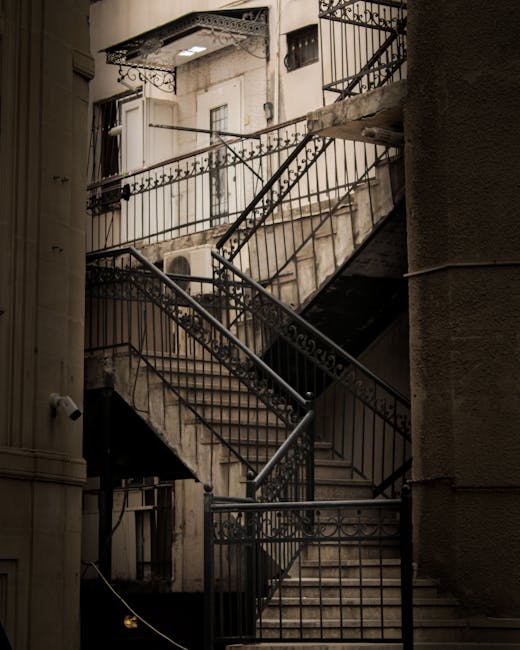
Most staircase incidents are not caused by bad luck. They come from a handful of predictable mistakes.
- Skipping measurements. Guessing the fit is how people end up stuck on the landing.
- Carrying too much at once. Two smaller trips can be safer than one overstuffed, clumsy one.
- Letting the item drift away from the body. That increases strain and reduces control.
- Rushing corners. Corners are where the angles change and balance gets messy.
- Ignoring communication. If one person says stop, everyone stops. No debate mid-flight.
- Forcing oversized furniture through intact. Sometimes disassembly is the safe answer, not "just one more shove".
Another mistake is underestimating how tiring narrow stair work becomes after several trips. By mid-move, people get a bit careless. Understandable, but risky. That is why pacing matters, and why breaks are not a sign of weakness. They are part of the plan.
For bigger items like sofas, post-move care matters too. If you want to reduce wear before and after the journey, this piece on long-term sofa care is a sensible companion read.
Tools, Resources and Recommendations
You do not need a warehouse full of equipment, but the right tools make narrow staircase moves much safer.
| Tool or aid | What it helps with | Best use |
|---|---|---|
| Furniture blankets | Protection from scrapes and bumps | Wrapped around corners, arms, and frames |
| Straps or carry harnesses | Improved grip and load sharing | Heavy or awkward items |
| Gloves with grip | Better handling and skin protection | Long carries and repeated lifts |
| Corner guards | Wall and paint protection | Tight turns and narrow landings |
| Disassembly tools | Breaking furniture into safer parts | Wardrobes, beds, shelving, desks |
In practice, moving blankets and decent straps do most of the heavy lifting for safety. A trolley can help in the right circumstances, but narrow stairs are often too tight for one. And if you are moving a specialist item such as a piano, ordinary moving assumptions go out of the window very quickly. That job deserves dedicated planning, as explained in piano removal guidance.
For larger household moves, it is also worth comparing your support options. Some people only need a van and a few hands. Others need a more structured removal plan. If you are weighing that up, man and van support and broader removal services can offer different levels of help depending on the staircase challenge.
Law, Compliance, Standards, or Best Practice
When moving heavy items in the UK, the main concern is safe manual handling. Employers and removal teams should follow sensible risk assessment practices, provide appropriate training, and avoid unsafe lifting methods. That does not mean every move needs a mountain of paperwork, but it does mean the job should be planned with care and awareness of the load, route, and people involved.
For private movers, the same principle still applies: do not attempt a lift that feels beyond your ability, and do not take risks just because the item is awkward or the clock is ticking. If the staircase is too tight, the safer choice may be dismantling the item, changing the route, or bringing in extra help.
In professional settings, it is normal to think about insurance, property protection, and clear terms before work begins. That is part of responsible service, not a sales flourish. It can also be useful to review a company's own safety approach and process pages, such as insurance and safety information and health and safety policy, especially if you are checking how a team handles risk on tight internal stairs.
Key takeaway: safe practice is not about being overly cautious; it is about matching the lift to the space. If the space wins, adapt the plan. Simple as that.
Options, Methods, or Comparison Table
Not every move through a narrow staircase should be handled the same way. The best method depends on the item, the route, and the amount of help available.
| Method | Best for | Pros | Limitations |
|---|---|---|---|
| Two-person carry | Small to medium furniture | Simple, controlled, flexible | May not suit large or heavy items |
| Three-person carry | Bulky items with awkward turns | Extra control at corners and landings | Needs strong coordination |
| Disassembly and reassembly | Large furniture, beds, shelves | Reduces width and weight | Takes more time upfront |
| Specialist removal support | High-value, heavy, or delicate items | Designed for tricky access | Usually costs more than DIY |
There is no universal winner. A bedside table may only need careful two-person handling. A wardrobe with fixed doors, on the other hand, might be best disassembled before it ever sees the stairs. For very heavy or awkward objects, specialist help is often the calmer choice. That includes items that demand extra technique rather than just muscle, which is exactly the point made in why some moves require more than strength alone.
Case Study or Real-World Example
One typical scenario: a small flat on Eversholt Street, first floor, with a narrow staircase that turns sharply halfway up. The item is a two-seater sofa. From the street, it looks manageable. Inside, it is a different story.
The team first measures the sofa and the stairwell. The sofa is just about narrow enough on paper, but the turn is tight. Rather than forcing it upright, they remove the feet, wrap the arms, and carry it with one end slightly raised so the front clears the bannister. One person leads from below, calling the angle adjustments, while the other keeps the rear controlled and slow. At the landing, they pause, breathe, and recheck the line before the final turn.
No drama. No scrape marks. No frantic repositioning halfway through the landing. It is not glamorous, but it is exactly how a difficult move should feel: steady, a little boring, and successful.
In another case, a tenant had already spent the morning moving boxes and was getting tired by the time the bed frame came out. The temptation was to rush. Instead, the frame was separated, carried in smaller parts, and the whole job became much safer. That sort of judgement call is why experienced movers often look at the move as a sequence rather than a single lift. If you are planning around local congestion as well as tight access, you may also find crowded-street moving advice useful for the wider route planning picture.
Practical Checklist
Use this checklist before carrying anything up or down a narrow staircase.
- Measure the item and the narrowest part of the stair route
- Check landings, ceiling height, handrails, and corners
- Clear floors, mats, and loose clutter from the route
- Protect walls and edges with blankets or guards
- Decide whether the item needs disassembly
- Assign a lead carrier and a clear communicator
- Agree stop, lift, tilt, and reset commands
- Wear grip-friendly shoes and gloves if needed
- Move slowly and pause on landings
- Check for scuffs, strains, and loose fittings after the move
If you can tick most of those off, your odds of a clean move improve a lot. If you cannot, stop and re-plan. That is not overcautious. It is sensible.
Conclusion
Narrow staircase moves on Eversholt Street are manageable when you treat them like a technical task rather than a test of strength. The safest results come from measuring properly, stripping items down where possible, protecting the property, and moving with patience rather than pressure. In many cases, the difference between a stressful carry and a smooth one is a few careful decisions made before the first step.
And honestly, that is the bit people remember later. Not the moment they pushed harder. The moment they slowed down, reset, and got it right.
Get a free quote today and see how much you can save.
For extra confidence, review your packing plan, check your route, and make sure the right help is in place before moving day. A calm move is usually a better move, even if it takes a small bit longer. Sometimes that is the whole trick.