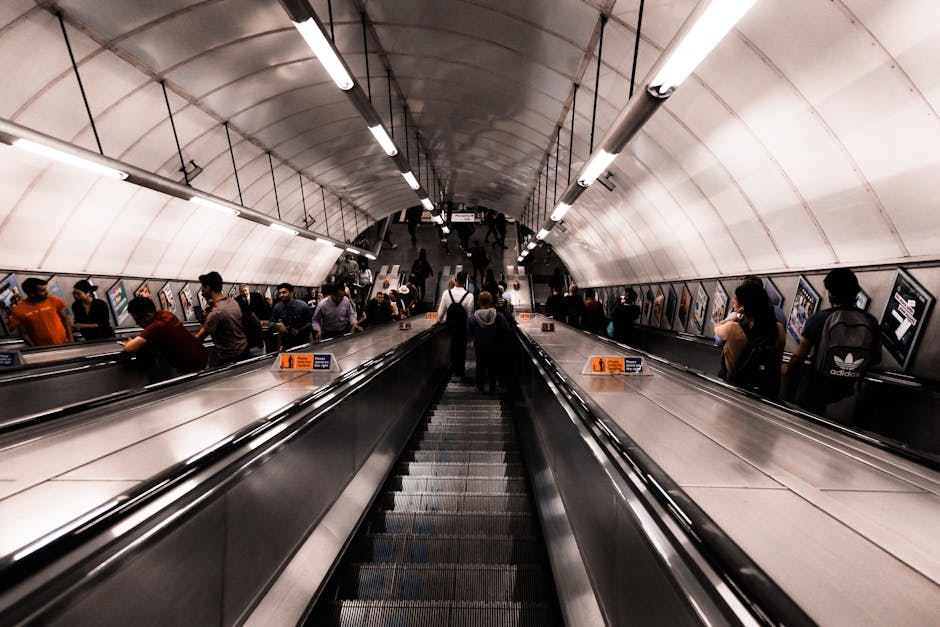
Somers Town to Euston Station Moves: Navigating Crowded Streets
Posted on 22/05/2026
Moving between Somers Town and Euston Station sounds simple on a map. In real life, it can be anything but. Narrow pavements, constant foot traffic, taxis pulling in and out, bus routes, delivery bays, and that steady rush of commuters all add pressure to an already busy day. If you are planning Somers Town to Euston Station Moves: Navigating Crowded Streets, the challenge is not just lifting boxes. It is timing, route awareness, careful loading, and keeping everyone safe while the street is doing its own thing.
This guide breaks the process down in plain English. You will learn why this local move needs a different approach, how to plan it properly, what tools and services help most, and the mistakes that tend to cause delays or damage. We will also look at best practice around safety, access, and packing, plus a realistic example from a typical short-distance London move. To be fair, this is the kind of move where good preparation saves a lot of stress.
Why Somers Town to Euston Station Moves: Navigating Crowded Streets Matters
Somers Town sits close to one of London's busiest transport hubs, and that proximity changes everything. Euston is not a quiet residential back street where a van can sit happily for 20 minutes. It is a working, moving environment with people crossing the road, traffic stopping and starting, and a constant flow of vehicles trying to find space. Even a small move can feel awkward if the access is not thought through properly.
Why does that matter so much? Because a move is only as smooth as the weakest part of the journey. You might have packed well, labelled every box, and booked the right vehicle. But if the van cannot park safely, if the route from the property to the kerb is blocked by pedestrians, or if the load is not secured for a stop-start drive through central London, the whole process slows down. And once the pressure rises, mistakes creep in. It happens fast.
For households, students, flat-sharers, and local businesses near the station, the biggest issue is usually not the distance. It is the crowd density and access constraints. That is why local knowledge matters. A good plan for a move in this area takes into account loading points, walking distance from door to van, stair access, lift availability, and the time of day. In many cases, the difference between a frustrating day and an organised one is a simple decision: do the move at a calmer time, or bring in the right help from the start.
If you are still shaping the wider move, resources such as the services overview and local removal services in Somers Town can help you compare what is available before you commit.
How Somers Town to Euston Station Moves: Navigating Crowded Streets Works
The best way to think about this move is as three linked stages: planning, access control, and on-the-day execution. None of them are glamorous. All of them matter.
First, planning begins with the property itself. Is it a basement flat, a top-floor walk-up, or an office suite? Are you moving furniture, boxes, electronics, or fragile items like a piano? Will the van need to wait on a busy street, or can it use a nearby loading bay? These questions shape the entire job. A short move can still need a surprisingly careful setup.
Second, access control means reducing friction. That includes clearing hallways, moving loose items out of the way, confirming keys are ready, and making sure you know exactly where the van can stop. On busy streets near Euston, a few extra metres of walking distance can add real time and effort. It is one thing to carry a small box. It is another to manoeuvre a sofa around pedestrians while a black cab edges forward behind you. Not ideal, obviously.
Third, execution is about speed without rushing. Crews that know central London tend to work in a very specific rhythm: assess the route, protect the items, lift in coordinated pairs where needed, secure the load, and keep communication short and clear. That style is especially useful if you are booking a man and van in Somers Town or a more complete house removals service.
If you want a broader overview of moving logistics, the guide on creating a stress-free house move is a useful companion read.
Key Benefits and Practical Advantages
There is a reason people choose specialist help for short urban moves rather than trying to wing it. The benefits are practical, not fancy.
- Less time lost to congestion: A local mover understands which times and routes are easier to work with.
- Better safety: Crowded pavements and tight stairwells are exactly where injuries and scrapes happen.
- Lower damage risk: Items are padded, secured, and handled with the right technique.
- Cleaner handover: If you are vacating a flat or office, a smooth exit helps with final inspection and cleaning.
- Less stress on you: You are not juggling parking, lifting, navigation, and the clock all at once.
There is also a less obvious advantage: confidence. When a move is busy and the street is noisy, confidence matters. You make better calls, your helpers stay calmer, and the whole move feels more controlled. That calm can be the difference between a day that drains you and one that just gets done.
For people moving larger pieces, the value is even clearer. A heavy wardrobe or dining table should not be treated like a standard box. For that side of the job, furniture removals in Somers Town can be a sensible route, while specialist articles such as heavy lifting techniques and safe lifting methods offer useful background on physical handling.
Who This Is For and When It Makes Sense
This kind of move is relevant to far more people than you might expect. It is not only for large households. In fact, some of the trickiest jobs are the small ones, because people assume they will be quick and under-plan them.
You may need this approach if you are:
- moving from a flat in Somers Town to a new place near Euston or onward from the station area;
- relocating a student room with boxes, a desk, and a bed frame;
- shifting office equipment or a small workspace into a busier part of central London;
- moving single bulky items through narrow streets and shared entrances;
- working to a same-day deadline, maybe because of check-out timing or a property handover.
It also makes sense if you are dealing with awkward access. Older buildings around the area can have stairs that twist, doorways that are just a little too tight, and communal entrances that require you to be considerate of neighbours. In our experience, those tiny details are often what make people call for help in the first place.
If you are a student, the lighter but more time-sensitive end of this is often handled through student removals in Somers Town. If you need something faster, same-day removals can sometimes be the practical answer, provided access and timing are realistic.
Step-by-Step Guidance
Here is a straightforward way to approach the move. Keep it simple. Simple is good.
1. Walk the route before moving day
Look at the door to van path with fresh eyes. Where are the pinch points? Is there a kerb that forces you to lift higher than expected? Are there cafe tables, railings, bins, or construction barriers narrowing the pavement? If you can, do a quick walk-through at roughly the time you plan to move. Morning and lunchtime can feel very different on these streets.
2. Measure the awkward items
Measure large furniture, beds, mattresses, mirrors, and anything with a wide frame. A sofa that seems manageable indoors can become a headache the moment you hit a sharp corner or a narrow stairwell. If you are moving a bed, the guide on planning a bed and mattress move is worth a look.
3. Pack by priority, not by room alone
It helps to pack in a way that reflects how items will be unloaded. Things you need first should be obvious. Essentials, documents, chargers, tea supplies, toiletries, and a basic toolkit should travel separately or in one labelled bag. If the move is local but hectic, that little bag can save your evening. Honestly, it can save your sanity too.
For box strategy and cushioning, see practical packing solutions for a house move and the related packing and boxes service.
4. Reserve your loading plan
Decide where the vehicle will stop, how long it will stay, and who will guide the handover. If you are working with a removals team, make this clear before the day. If you are using a removal van in Somers Town, ask how arrival and loading will be handled in a congested area. Small clarification, big difference.
5. Protect items before they move
Use blankets, corner protectors, bubble wrap, and straps where needed. Tight streets mean more stop-start movement, and the load shifts more than you think. TVs, glass tops, and framed art deserve extra care. Furniture care also matters after the move, so if you are moving a sofa or keeping one in storage, the advice in long-term sofa care can help preserve it.
6. Load in a clear order
Heavy items usually go in first, with lighter boxes stacked sensibly around them. Keep walkways free inside the van. If you are carrying fragile things, do not leave them exposed near the door where they can shift when the vehicle brakes. The best loading pattern is boring, really. Boring is safe.
7. Do a final sweep
Before you leave, check cupboards, under beds, behind doors, and in shared spaces. It is the little things that get left behind. A charger, a key, a folder, a cleaning spray. Then make sure the space is left in decent shape, particularly if you are ending a tenancy. A good final clean is often easier if you have followed move-out cleaning routines and hacks.
Expert Tips for Better Results
A few local tricks can make this sort of move feel much easier.
- Choose quieter windows: Early morning is often calmer than mid-morning, though local patterns can vary.
- Keep one person free to manage the route: Someone should watch for pedestrians, bikes, and small obstructions.
- Label sides of boxes, not just tops: You will thank yourself when boxes are stacked in a van or hallway.
- Split the move into loads if needed: One perfect van run is great. Two organised runs can still be better than one overloaded attempt.
- Use storage if timing does not line up: A short gap between handover and move-in is common, especially near central transport nodes.
One thing people sometimes overlook is the emotional side of a crowded move. The noise, the hurry, the small delays - they wear on you. A five-minute pause to reset is not laziness. It is smart. Take it if you need it.
If your move involves fragile or unusually heavy items, it is worth checking the more specialist pages too, like piano removals in Somers Town or the broader support offered by removals in Somers Town.
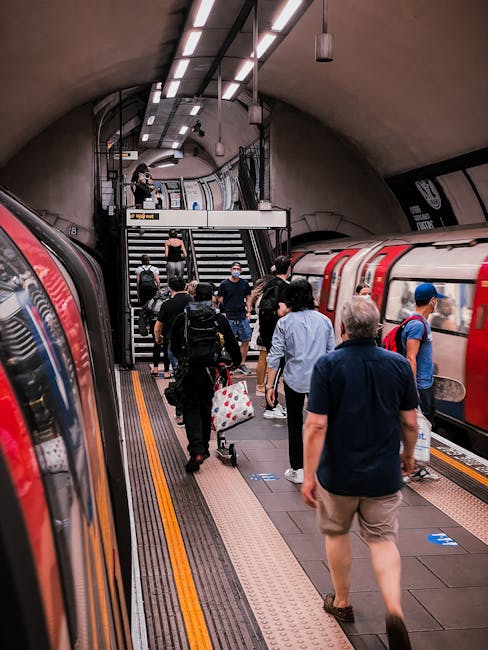
Common Mistakes to Avoid
Crowded-street moves go wrong in predictable ways. The good news? Most of them are avoidable.
- Assuming parking will sort itself out: It rarely does. Always plan the stop.
- Underestimating walking distance: Fifty metres with a sofa feels a lot longer than fifty metres with a backpack.
- Packing boxes too heavy: Overfilled boxes are awkward on stairs and more likely to split.
- Ignoring building rules: Some properties have access windows, concierge procedures, or lift booking rules.
- Leaving it all to the last hour: This is the classic. And, well, it causes chaos more often than not.
- Not separating essentials: If your kettle, medication, and phone charger disappear into the main load, the first night becomes needlessly annoying.
There is also a physical mistake people make: lifting as if they are on an empty driveway, not a crowded London street. That shift matters. If you are unsure, review good lifting habits before moving day, or leave the heavier pieces to experienced hands. The article on handling heavy lifts alone gives a plain-English overview of the risks and techniques involved.
Tools, Resources and Recommendations
You do not need a van full of fancy kit, but a few items make a noticeable difference.
| Tool or Resource | Why It Helps | Best Use |
|---|---|---|
| Furniture blankets | Protects surfaces from knocks and scrapes | Tables, wardrobes, sofas, cabinets |
| Ratchet straps or load straps | Stops items shifting in traffic | Van transport in stop-start conditions |
| Steady box labels | Makes unloading faster and less chaotic | Any mixed household move |
| Dolly or trolley | Reduces strain on longer carries | Heavy boxes and appliances |
| Storage option | Useful if handover and move-in do not line up neatly | Delayed keys, renovations, staged moves |
Beyond equipment, the right support pages can help you narrow your choices. If you are comparing providers, take a look at removal companies in Somers Town, man with a van options, and the practical pricing information on pricing and quotes.
If sustainability matters to you, especially during a clear-out, the page on recycling and sustainability is a useful place to check how unwanted items may be handled responsibly.
Law, Compliance, Standards, or Best Practice
For a move around Somers Town and Euston, the main compliance issues are usually practical rather than complicated. The most important ones are safe lifting, vehicle loading, respecting public spaces, and staying within property or street access rules.
Here are the principles worth keeping in mind:
- Health and safety comes first: Safe lifting methods, sensible team coordination, and proper handling of heavy items reduce preventable injuries.
- Road and pavement access should be handled responsibly: Do not block entrances, crossings, or emergency access points.
- Building rules must be respected: Some blocks require notice, lift booking, or protective coverings in common areas.
- Insurance should be clear: Before booking, it is sensible to understand what is covered and what is not.
For service standards and peace of mind, it helps to review insurance and safety information, the health and safety policy, and the terms and conditions. If you value transparency around data handling and site use, the supporting pages on privacy policy and cookie policy are there too.
One practical note: if you are moving in a busy part of London, a courteous, tidy approach goes a long way. Keep pathways clear, avoid sudden blockages, and communicate with neighbours if you are likely to be outside for a while. It is simple etiquette, but it matters more than people think.
Options, Methods, or Comparison Table
There is more than one way to handle a move through a crowded area. The right choice depends on how much you are moving, how awkward the access is, and how much help you need.
| Method | Best For | Strengths | Limitations |
|---|---|---|---|
| DIY with hired van | Small, simple moves with flexible timing | Lower upfront cost, full control | You manage lifting, parking, and loading yourself |
| Man and van | Student moves, flat moves, single-room shifts | Good balance of help and affordability | May not suit very large or complex jobs |
| Full removals team | Larger homes, heavy furniture, time-sensitive relocations | More support, better for awkward access | Typically more involved and may cost more |
| Split move with storage | Moves with timing gaps or renovation delays | Reduces pressure on key handover day | Requires extra coordination |
For many local residents, the middle option is the sweet spot. A well-organised man and van service can be enough for a straightforward flat move, while a larger household may need the structure of flat removals or even a full house move plan. If you are moving an office close to the station, the same logic applies, but with equipment, documents, and downtime to consider; see office removals in Somers Town for that side of things.
Case Study or Real-World Example
Here is a realistic example. A tenant moving from a second-floor flat in Somers Town to a place a short walk from Euston Station had two awkward factors: a narrow stairwell and a road with heavy daytime traffic. The move itself was not large - a bed frame, a mattress, two bookcases, several boxes, and a small desk - but the access made it feel bigger.
The move was made easier by splitting the day into clear tasks. First, non-essential items were boxed the night before, with fragile pieces packed separately. The mattress and bed frame were taken down first while the street was still relatively calm. A helper stood outside to watch the pavement and guide the load safely to the van. The desk and bookcases followed after a short pause, once a delivery vehicle had moved on and there was room to work. Nothing dramatic. Just steady, careful handling.
What made the day successful was not speed alone. It was the small decisions: a slightly earlier start, fewer loose items, and a quick reset before loading the last pieces. The tenant later said the move felt "busy but manageable," which is probably the best you can hope for in that part of London. Truth be told, that is a win.
Practical Checklist
Use this checklist to keep the move on track.
- Confirm exact collection and delivery addresses.
- Check stair access, lift access, and doorway widths.
- Measure any large furniture or awkward items.
- Decide where the van can stop safely.
- Pack an essentials bag separately.
- Label boxes clearly by room and priority.
- Protect fragile items with proper wrapping.
- Keep walkways clear in both properties.
- Prepare keys, codes, or access instructions in advance.
- Plan for cleaning and final checks after the load leaves.
- Have a backup plan if traffic or access changes unexpectedly.
If you are leaving a property in good order, a final clean and recycling pass can make the handover smoother. The articles on decluttering before a move and move-out cleaning work well alongside this checklist.
Get a free quote today and see how much you can save.
Conclusion
Somers Town to Euston Station moves need more than a van and a vague plan. The crowded streets, active traffic, and constant footfall mean success depends on preparation, timing, and sensible handling. Once you accept that this is a busy urban move, the whole job becomes easier to manage. You plan the route, protect the items, keep the loading tidy, and give yourself room to breathe.
Whether you are moving a few boxes, a flat's worth of belongings, or something more specialised, the safest approach is the one that respects the street as much as the furniture. That may sound obvious, but people forget it when they are rushed. A calm, well-organised move is still possible here. In fact, with the right support, it is the norm rather than the exception.
If you are ready to make the move feel less chaotic and a lot more controlled, start with the basics, check your access, and choose help that understands the area. That little bit of local know-how goes a long way.