Loading Bay Rules at Euston: Avoid Fines When Moving
Posted on 12/07/2026

If you are moving around Euston, the loading bay itself can be the difference between a smooth handover and a very expensive headache. Loading Bay Rules at Euston: Avoid Fines When Moving is not just about parking for a few minutes; it is about timing, access, vehicle size, nearby restrictions, and whether your move can happen without disrupting traffic or attracting penalty notices. Around a busy station like Euston, the margin for error is small. To be fair, that is exactly why so many people get caught out.
This guide breaks down how the rules usually work, what makes Euston tricky, how to plan a legal and efficient move, and which practical habits help you avoid stress. If you are moving a flat, student room, office items, or bulky furniture, you will find the kind of detail that saves time on the day and keeps everything calmer. And yes, a little less frantic than wrestling a wardrobe past a morning rush of taxis.
Why Loading Bay Rules at Euston: Avoid Fines When Moving Matters
Euston is one of those places where the street rhythm never really slows down. Between station traffic, buses, taxis, delivery vehicles, pedestrians, and the constant flow of construction or rail-related works, a van stopping in the wrong spot can create problems fast. The loading bay is there to manage that pressure, but only if it is used properly.
For people moving house, the stakes are obvious. If your van cannot stop where you planned, your movers may need to carry items further than expected. That can mean more time on the clock, more strain on the team, and a higher chance of something getting damaged. If you stay too long, or use the wrong bay at the wrong time, you may face fines or enforcement action. Nobody wants a moving day that ends with a slip of paper on the windscreen and a sour taste in the mouth.
There is also a wider practical point. A legal, well-timed loading strategy helps everyone else on the road. That matters near Euston because space is already tight. A tidy move is usually a safer move, and in our experience, the quieter and more organised the plan, the less likely things are to go sideways halfway through.
If you are preparing a larger move, it can help to think beyond the vehicle itself. Good packing, clear labelling, and decluttering before move day make the loading bay time shorter and simpler. The guides on packing efficiently for a house move and decluttering before moving fit neatly with that mindset.
How Loading Bay Rules at Euston: Avoid Fines When Moving Works
At a practical level, loading bay use is about permission, duration, and behaviour. The exact restrictions can vary by street, bay type, and time of day, so the safest approach is never to assume that a space is free just because it looks empty. Around Euston, that assumption can become expensive very quickly.
Most loading bays are designed for active loading and unloading only. That means the vehicle should be there for a clear purpose: moving goods in or out. It is usually not a place to leave the van while you go upstairs for another box, pop to a cafe, or spend twenty minutes trying to locate a missing set of keys. Sorry, but the clock does not really care about the missing keys.
Here is the general shape of how it works:
- Check whether the bay allows loading only or loading plus limited waiting.
- Confirm the time window during which the bay can be used.
- Make sure your vehicle fits the space and does not block access routes.
- Keep the activity clearly linked to loading or unloading.
- Move the vehicle away as soon as the task is done.
One useful habit is to treat the move like a relay, not a pause button. Boxes should already be packed, furniture should be dismantled where sensible, and the route from the property to the van should be as short and clear as possible. If you are moving awkward furniture, a bed, or a piano, that planning matters even more. For specific handling help, related reading on bed and mattress moves and careful piano removals is genuinely useful.
The other detail people forget is nearby traffic flow. At Euston, a loading bay may be legal to use but still awkward in practice if your van is awkwardly positioned, your items are bulky, or the road is already jammed. This is where a bit of local street sense saves a lot of time.
Key Benefits and Practical Advantages
Using loading bays correctly is not just about avoiding penalties. It has real practical upsides that make moving day less miserable.
- Shorter carrying distance: Less time ferrying items from a distant parking spot means faster loading and less fatigue.
- Lower damage risk: Fewer turns, less lifting, and a cleaner route usually reduce knocks and scrapes.
- Better timing: You can often stick to a schedule more closely when the van is in the right place.
- Less disruption: A compliant move is easier on neighbours, pedestrians, and traffic.
- Lower stress: You are not constantly glancing over your shoulder wondering if a warden is approaching.
There is a hidden benefit too: planning properly makes the rest of the move feel more manageable. If you have already organised packing, waste removal, and any storage needs, the loading bay step becomes one controlled part of the day rather than the chaotic centre of it. That is why advice on move-out cleaning routines, bulky waste removal, and short-term storage options can all support a better loading plan.
Expert summary: The safest Euston move is rarely the fastest-looking one at first glance. It is usually the one where the van is positioned legally, the items are ready, and the carry route is as short and calm as possible. That combination is what helps you avoid fines and keep the day on track.
Who This Is For and When It Makes Sense
This topic matters to anyone moving in or around Euston, but some people need to be especially alert. If you are living in a flat, a student room, or an office with limited access, loading bay planning becomes far more important than it might seem on paper.
It makes sense to prioritise loading bay planning when:
- your property is on or near a busy road;
- you cannot use private parking or a driveway;
- the move includes heavy furniture or specialist items;
- you are moving during peak hours;
- you have a tight handover time or building access window;
- you are working with a small team and need quick turnarounds.
Students and renters often feel this pressure most keenly. Keys change hands, lifts are small, and the move can be squeezed into a narrow window between train times or work shifts. That is why advice for student removals and flat moves tends to be especially relevant here.
Office moves are another big one. Even a modest office relocation can involve file boxes, IT equipment, chairs, and a lot of small items that need careful handling. If that sounds familiar, looking at office removals support alongside your loading plan is a sensible move.
Step-by-Step Guidance
Here is the part most readers actually want: what to do, in order, without turning the day into a guessing game.
1. Confirm the exact loading area before move day
Do not rely on memory or a vague impression from a previous visit. Euston is the kind of place where one road can feel very different from the next one over. Check the access point, the likely stopping space, and whether your vehicle size will fit without sticking out into live traffic.
2. Build your move around the time window
If the loading bay only works for a limited period, shape your whole schedule around it. That means packing early, disassembling furniture before arrival, and having your team ready to move the second the van is in place. Not ten minutes later. Right then.
3. Keep the van loaded in the right order
Put the items you need first either near the door or in a clearly separate section. If you are moving from a bedroom flat, for example, the first items out should probably be the biggest awkward pieces and the essentials, not the tea towels. Small logic, big effect.
4. Keep the unloading team informed
If one person is inside the property and another is with the van, communication matters. A quick update can prevent the driver from waiting too long in the bay or shifting the vehicle at the wrong moment. Even a simple hand signal can help. Slightly old-fashioned, but effective.
5. Don't overstay
Once the main loading or unloading is finished, move the vehicle. That sounds obvious, yet a lot of fines happen because people get distracted tidying one last room or checking whether another item can fit. If the move is done, the bay is no longer yours.
6. Have a backup plan
Sometimes the bay is occupied, blocked, or not suitable for your vehicle. A sensible backup route could include a nearby legal stopping point, a later loading slot, or temporary storage while you reset. For moves that need more flexibility, same-day removals support can be a practical fallback when timing gets messy.
Expert Tips for Better Results
Most fine-avoiding success comes from small, boring habits. And that is the truth of it. The glamorous part of moving is not the loading bay. It is the part nobody sees: planning, labelling, timing, and having the right equipment in the right place.
- Use colour-coded labels. If you can tell which room each box belongs to at a glance, unloading becomes much quicker.
- Strip furniture down early. Shelves, legs, and mattress bases can eat up space and time if left assembled.
- Use proper protection. Blankets, wraps, straps, and corner guards reduce damage and make the load more stable.
- Choose the least awkward route. A slightly longer legal route is usually better than a risky shortcut.
- Keep heavy items together. It sounds simple, but poor load order can waste the whole loading bay slot.
If you are dealing with awkward lifting, be honest about what needs two people. A lot of moving injuries start with the phrase "I can probably manage that." We have all said it. It usually ends badly. For a more technical angle, the guides on heavy lifting techniques and safe lifting mechanics are worth a look.
One more practical note: if your move involves delicate items like a sofa, you will want to think about turning radius, door frames, and handling time before the van is even positioned. That is where the advice in sofa handling and care comes in handy, especially for larger living-room pieces.
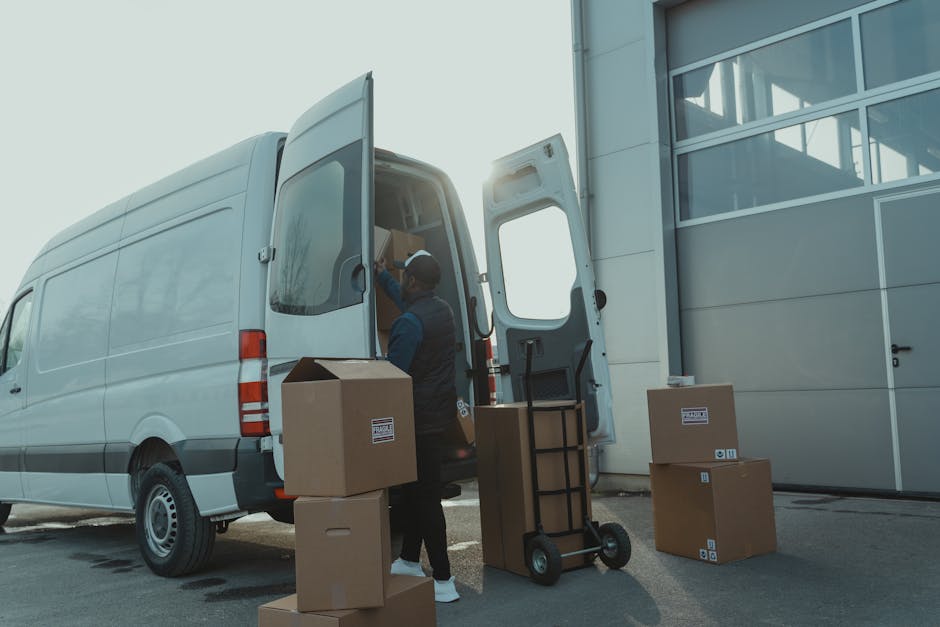
Common Mistakes to Avoid
The most common mistakes are rarely dramatic. They are usually small assumptions that pile up.
- Assuming any empty bay is fair game. It may be reserved, time-restricted, or unsuitable for your vehicle.
- Starting the move late. A delayed start increases the chance you will overrun the bay period.
- Loading without a plan. If the van is packed randomly, everything takes longer.
- Leaving a vehicle idling in place too long. That can attract attention and is generally a bad habit in a busy area.
- Ignoring building access limits. Sometimes the loading bay is fine, but the lift booking or concierge window is not.
- Underestimating bulky items. Wardrobes, mattresses, desks, and pianos all behave differently on moving day.
Another easy mistake is failing to match the service to the move. A small local move might suit a man and van service, while a bigger house move may call for a fuller house removals setup. Choosing the wrong scale can leave you rushed, which is exactly when mistakes happen.
Tools, Resources and Recommendations
You do not need a van full of specialist kit, but the right basics make a huge difference.
| Item | Why it helps | Best for |
|---|---|---|
| Furniture blankets | Protects corners and surfaces during loading | Sofas, tables, cabinets |
| Ratchet straps | Keeps the load stable in transit | Mixed furniture, boxed loads |
| Wheel trolley | Reduces heavy carrying over short distances | Boxes, appliances, office items |
| Gloves with grip | Improves handling and protects hands | All move types |
| Floor protection | Limits scuffs in hallways and communal areas | Flats, stairwells, shared buildings |
For anyone still packing the night before, the best resource may simply be a proper packing checklist and a realistic schedule. If you are short on space, packing supplies and boxes can help you keep things neat rather than stuffing everything into whatever cardboard happens to be nearby. That is where moves go messy, usually around 8:15 in the morning when everyone's patience is already thin.
Also worth considering: if your move creates surplus items, old furniture, or mixed waste, sorting it before moving day can free up time and make the loading process cleaner. A little discipline here goes a long way.
Law, Compliance, Standards, or Best Practice
Because loading bays sit in public road space, they are governed by local rules and enforcement practices rather than by casual convenience. The exact restrictions depend on the location, signage, and time controls in place. If a bay is marked for loading only, then using it for anything else is risky. If there is a time restriction, exceeding it can trigger enforcement. This is the part where people most often get into trouble.
Best practice is straightforward:
- read the signs carefully on arrival;
- never assume a bay works the same way as one on a different street;
- keep your activity clearly tied to loading or unloading;
- avoid blocking entrances, crossings, or operational routes;
- stay alert to local changes, roadworks, or temporary restrictions.
For moves in this part of London, it is also wise to think about safety obligations. Good manual handling, sensible vehicle positioning, and clear communication are not optional extras. They are part of a professional standard. If you want to understand how a responsible removals team approaches this, the pages on health and safety standards and insurance and safety are relevant background reading.
The short version? If you would hesitate to leave the van there while you went for a coffee, it probably is not the right place or the right moment.
Options, Methods, and Comparison Table
Different moves call for different approaches. Here is a simple comparison to help you think it through.
| Method | Best for | Strengths | Limitations |
|---|---|---|---|
| Self-managed loading bay use | Small, straightforward moves | Lower direct cost, flexible control | Higher chance of mistakes if you are unfamiliar with the area |
| Man and van setup | One-bedroom flats, partial moves, urgent jobs | Flexible and often quick to deploy | Less capacity for large loads or complex access |
| Full removals team | House moves, heavy furniture, busy London locations | Better coordination, faster loading, less physical strain | May cost more than a simple van-only option |
In busy areas like Euston, the added coordination of a fuller service can be worth it. A move that looks cheaper on paper can become dearer if delays, extra carrying distance, or a fine get added in. That is why people often compare options carefully rather than just picking the cheapest headline price. If you are weighing that up, understanding quotes and pricing helps you see the real picture.
Case Study or Real-World Example
Picture a typical weekday move near Euston. A couple is leaving a compact flat with a sofa, a bed frame, several boxes, and a washing machine. They assume the loading bay outside will be free for as long as they need. It is not. By the time the van arrives, another vehicle is already there, the street is busy, and everyone is watching the clock.
Instead of pushing on and hoping for the best, they switch to plan B: the driver waits in a legal nearby spot, the couple finishes bringing items to the doorway, and the largest pieces are moved first once the bay becomes available. The loading time drops because boxes were pre-sorted and the bed had already been dismantled. The team avoids the kind of half-formed chaos that usually causes fines and complaints. Not glamorous, but effective.
In a similar move, a student who had booked too tight a window decided to use a storage stop first, then move the bulk items after the busiest part of the morning. That small change made the difference between a rushed, awkward carry and a move that felt almost calm. Almost. London traffic still did its thing, obviously.
Those kinds of outcomes are why planning around access matters as much as packing well. You can read more about managing awkward local moves in busy station-area moves and planning around railworks and disruptions.
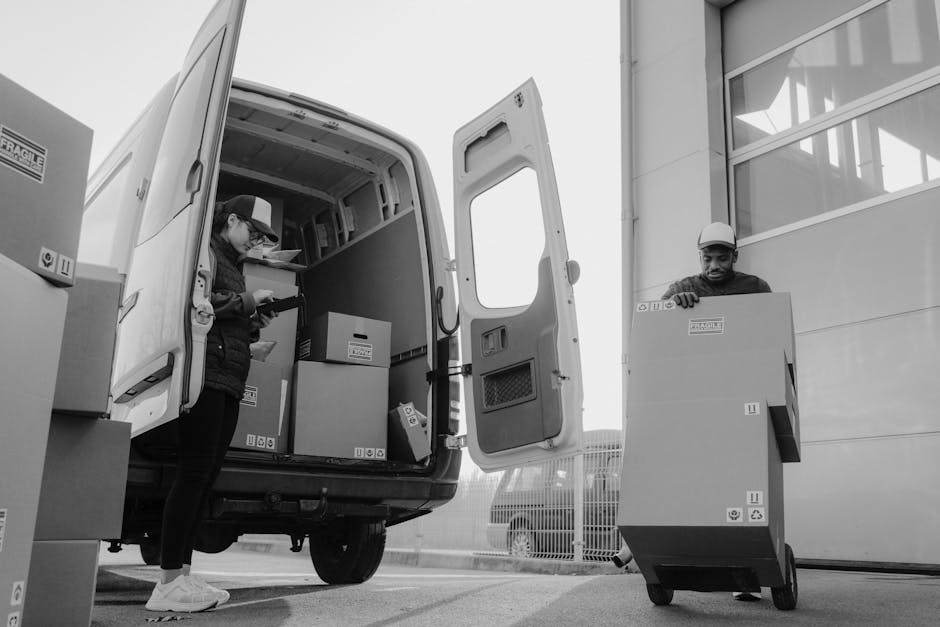
Practical Checklist
Use this before move day. It is simple, but it catches a lot of the silly problems.
- Confirm the loading bay location in advance.
- Check the time restrictions and access conditions.
- Make sure the vehicle size suits the space.
- Pack and label boxes early.
- Dismantle large furniture where possible.
- Keep a trolley, straps, and blankets ready.
- Clear hallways, stairwells, and doorway obstructions.
- Assign roles so nobody is standing around wondering what to do.
- Build in a buffer for traffic or building access delays.
- Move the van as soon as loading is complete.
- Have a backup plan if the bay is occupied.
- Keep your phone charged and contact details handy.
Quick takeaway: the less you leave to chance, the less likely you are to pay for it later.
Conclusion
Loading bay rules near Euston can feel fiddly at first, but they make sense once you look at the moving day reality behind them. Space is limited, traffic is heavy, and everyone is trying to keep things moving. If you respect the bay, plan your timings, and prepare your load properly, you will give yourself a far better chance of avoiding fines and reducing stress.
That is really the heart of it. A good move is not just about getting items from A to B. It is about arriving at B with your sanity intact, your furniture undamaged, and no surprise penalty ticket to spoil the evening. And frankly, that is a win worth planning for.
If you are working through a move in the Euston area, it pays to combine access planning with the rest of the job: packing smart, lifting safely, and choosing the right level of support for the size of the move. Small improvements stack up fast.
Get a free quote today and see how much you can save.


